
- Lenders evaluate the Three C's: Credit, Cash flow and Collateral. For most Finance Factory programs one strong "C" can be enough; SBA loans need all three.
- Credit score targets range from 550+ (revenue-based advances) to 700–800 (startup and unsecured funding).
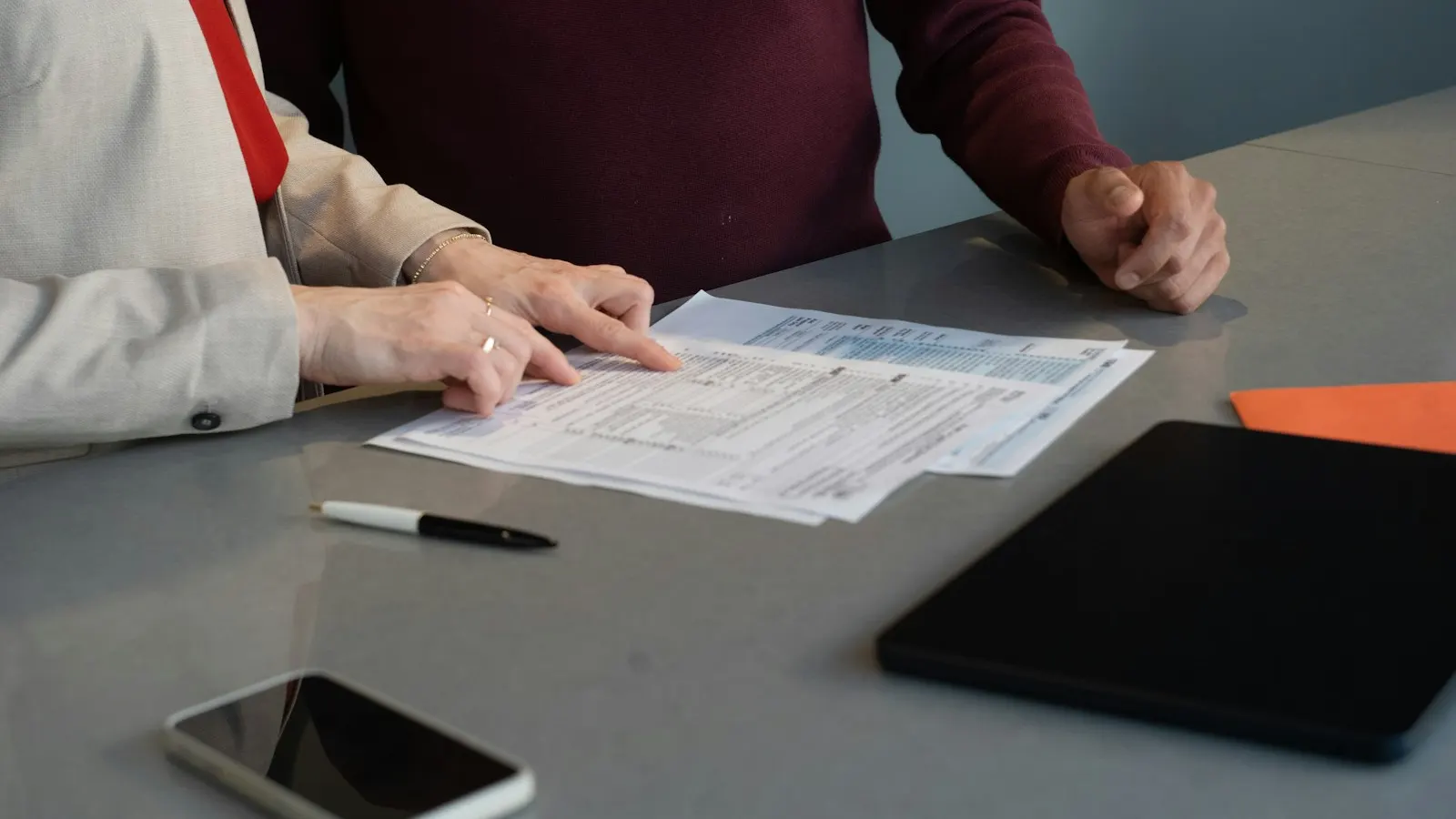
- Most business loans need only 4 documents; SBA loans need 13. Gather them before you apply.
The Three C's lenders use
Credit
Your personal credit score matters on almost every small business application, especially for businesses under two years old. Lenders look at your score, payment history, credit utilization and recent inquiries. Finance Factory generally wants to see scores between 700 and 800, with 680+ as the ideal for its business loan program.
Cash flow
Can the business (or you) make the payments? Lenders look for a minimum average account balance of around $1,000–$5,000, and review tax returns, profit and annual revenue where available. For revenue-based programs, lenders mostly look at your last three months of business bank statements.
Collateral
Assets that secure the loan, such as equipment, real estate or home equity. Finance Factory prioritizes unsecured funding, so collateral is optional for most programs, but it can help you qualify with a lower credit score, especially when the loan buys the asset itself (like equipment financing).
Requirements by loan type
| Program | Ideal credit | Annual revenue | Time in business |
|---|---|---|---|
| Business loans | 680+ | None required | None required |
| Startup funding | 700–800 | None required | None required |
| Unsecured credit lines & cards | 700–800 | $0 | None required |
| SBA loans | 650+ (700+ ideal) | $250,000 | 2 years |
| Equipment financing | 600+ | $20,000+ | 2+ years |
| Revenue-based advances | 550+ | $100,000+ | 3+ months |
| Acquisition funding | 700+ | Based on applicant income | N/A (buying a business) |
Source: Finance Factory program pages, checked November 2026. These are the ideal targets Finance Factory lists. They aren't hard cut-offs.

Document checklist
Most business and startup loans
- Credit report
- Personal tax returns
- Personal credit history
- Personal financial statement
SBA loans (the full list)
- Business plan
- Collateral details
- Industry code (NAICS)
- Balance sheet
- Bank statements
- Driver's license
- State / location of business and officers
- Business debt schedule
- Business tax returns
- Business cash flow
- Personal tax returns
- Personal credit history
- Voided business check
Revenue-based advances
- 3 most recent months of business checking statements
- Business tax returns (in some cases)
- Driver's license
- Business checking account
Business credit cards and lines of credit
Expect to provide your business's legal name, contact details, industry, business type, total annual income, Federal Tax ID (EIN), plus your own legal name and contact information. Bank lines of credit also ask for business tax returns and cash flow.
Not sure which program you'd qualify for?
A Finance Factory specialist can tell you after a soft credit check only.
Other eligibility rules to know
- Residency: Finance Factory requires applicants to be U.S. citizens or permanent residents living in the United States.
- Industry: all industries are considered if your (or a partner's/co-signer's) credit is 700+.
- Co-signers: allowed, and they don't need to be a business partner.
- Down payment: most options don't require one.
- Young businesses: companies under two years old and guarantors with poor credit have a harder time, particularly with SBA lenders.
How to qualify if you're falling short
| If you're missing… | Try this |
|---|---|
| Credit score (under 680) | Add a 700+ co-signer, offer collateral, or look at equipment financing and revenue-based programs |
| Revenue | Lean on credit: startup loans with no revenue, 0% business cards |
| Time in business | Skip SBA for now; build a track record with credit lines, then refinance later |
| Collateral | Choose unsecured programs, which Finance Factory prioritizes |
| Cash reserves | Build your average balance to $1,000–$5,000 for 2–3 months before applying |
Pre-application checklist
- Pull your credit reports and dispute errors.
- Bring card balances below 30% of their limits.
- Separate business and personal banking (get an EIN).
- Decide your exact amount and use of funds.
- Collect the documents above into one folder.
- Apply once through a service that shops multiple lenders instead of applying everywhere.
Related guides

Small Business Loans: the complete guide
Small business loans from $5K to $5M: loan types, rates, credit requirements and how to apply through Finance Factory with a soft credit check.

SBA loans explained: 7(a), 504 & alternatives
How SBA 7(a) and 504 loans work, current rate ranges, who qualifies, the documents you need and non-SBA options if you aren't ready yet.

Small business loan rates & real costs
Typical small business loan rates by product, APR vs. factor rates, fees to ask about and a free calculator to estimate your monthly payment.
FAQs about loan requirements
What is the minimum credit score for a small business loan?
It varies by product. Finance Factory lists ideal scores of 550+ for revenue-based advances, 600+ for equipment financing, 650+ for SBA loans, 680+ for business loans and 700–800 for startup and unsecured funding.
Do I need a business plan to get a loan?
For SBA loans, yes. It's on the required document list. Most other business and startup loans only require your credit report, personal tax returns, credit history and a personal financial statement.
Can I qualify without business revenue?
Yes, for several programs. Finance Factory's business loan, startup and unsecured credit programs list no minimum revenue; approval depends on strong personal credit.
Does a co-signer have to be a business owner?
No. Finance Factory accepts co-signers who are family members or friends.
Have your documents together?
Apply in about 2 minutes with no hard credit pull to see options.