- Match the loan to the job. Long-term assets call for long-term loans (SBA, equipment), and short-term gaps call for short-term or revolving credit.
- The cheapest options (SBA, secured loans) are the slowest and strictest. The fastest (revenue-based advances) are the most expensive.
- Startups with no revenue usually start with credit cards and unsecured loans, then graduate to cheaper products.
Business loan types at a glance
| Type | Amount* | Cost | Speed | Ideal credit | Best for |
|---|---|---|---|---|---|
| Working capital / term loan | $35K–$500K | 0%*–15% | 7–10 days | 680+ | Growth, payroll, inventory |
| SBA loan | $250K–$5M | 6.50%–8.75% | 7–90 days | 650+ | Real estate, acquisitions, refinancing |
| Line of credit | $25K–$250K | 0% intro, then card rates | 7–10 days | 700–800 | Ongoing cash-flow needs |
| Equipment financing | $5K–$5M | 6%–30%+ | ~48 hours | 600+ | Vehicles, machinery, tech |
| Revenue-based advance | $5K–$1M | Factor 1.14–1.50 | 2–5 days | 550+ | Fast cash, daily-sales businesses |
| Startup funding | $5K–$100K | 0%*–15% | 7–10 days | 700–800 | Pre-revenue launches |
| Acquisition funding | $25K–$500K | Varies | ~48 hrs approval | 700+ | Buying an existing business |
*Ranges from Finance Factory program pages, checked November 2026. 0% applies to intro periods on select products.
1. Working capital and term loans
A lump sum repaid in fixed installments. Working capital loans cover short-term operating expenses like payroll, inventory and marketing, while longer term loans fund expansion. Finance Factory's business loan program ranges from $35K to $500K with terms up to 30 years and no minimum revenue or time in business listed.
Choose it when: you know exactly how much you need and want predictable payments. More on business loans

2. SBA loans
Government-guaranteed loans with the longest terms (10–25 years) and some of the lowest rates. The trade-off is heavy documentation and strict requirements: ideally 2 years in business, $250K revenue and solid credit, cash flow and collateral.
Choose it when: you're established, the amount is large, and you can wait a few weeks for the best price. Read the SBA guide
3. Business line of credit
A revolving credit limit you draw from as needed, paying interest only on what you use. Finance Factory's unsecured lines run $25K–$250K, often with 0% intro APR for up to 21 months.
Choose it when: your needs are recurring or unpredictable. Read the line of credit guide
4. Equipment financing and leasing
Loans or leases where the equipment itself serves as collateral, funding up to 100% of new or used equipment. Approval is easier than unsecured loans, with funding in as little as 48 hours.
Choose it when: you're buying a specific asset like a truck, oven, forklift, server or POS system. Read the equipment guide
Not sure which type fits?
A Finance Factory specialist can help you pick a program after one short application.
5. Revenue-based loans and merchant cash advances
An upfront sum repaid from a share of future sales or fixed daily/weekly debits, priced with a factor rate (1.14–1.50 via Finance Factory). Requirements are relaxed (550+ credit, $100K+ annual revenue, 3+ months in business) and funding takes 2–5 business days.
Choose it when: speed matters more than cost and you have consistent daily sales. Plan to refinance into cheaper debt later. See how factor rates translate into real cost in our rates guide.
6. Startup funding
A blend of 0% business credit cards, unsecured personal loans and credit lines for new businesses, underwritten on the founder's personal credit. $5K–$100K, no revenue required.
Choose it when: you're launching or under a year old. Read the startup loans guide
7. Specialty programs
- Acquisition funding: $25K–$500K to buy an existing business; 700+ credit; zero upfront costs; soft credit pull to check options.
- Franchise funding: terms up to 25 years through partner banks, with streamlined documentation.
- Real estate funding: small-balance commercial, conventional and bridge loans with stated, lite-doc and no-doc options.
- Retirement funding (BDRA): invest retirement savings in your business without penalties. Learn how
How to choose: a 4-question shortcut
- How long have you been in business? Under a year points to startup funding. At 1–2 years, look at credit lines, equipment financing and working capital. After 2 years, SBA loans are on the table too.
- What's the money for? For a specific asset, use equipment financing or an SBA 504. For ongoing needs, a line of credit. For a one-time growth project, a term loan.
- How fast do you need it? If it's days, an advance or equipment financing. If it's weeks, a term loan or credit line. If months are fine, an SBA loan.
- What's your credit score? At 700+, nearly everything is open to you. Between 600 and 700, look at equipment, SBA and secured options. Below 600, a revenue-based advance or a co-signer is more realistic.
Related guides

Business Loans: the complete guide
Business loans for growing companies: working capital, SBA, lines of credit and equipment financing. See terms, qualifications and how to apply with Finance Factory.

Equipment financing: up to 100% financed
How equipment financing and leasing work, rates and terms, what equipment qualifies, and how to get pre-qualified through Finance Factory with a soft credit check.
Business line of credit: how it works
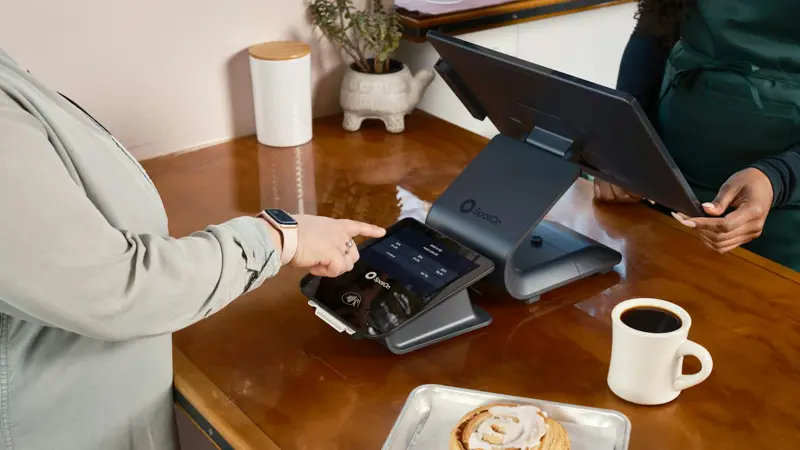
A business line of credit lets you draw only what you need and pay interest only on what you use. Learn costs, qualification and unsecured options up to $250K.
FAQs about business loan types
What is the cheapest type of business loan?
SBA loans are typically the lowest-cost long-term option for qualified businesses. For short periods, a 0% intro APR credit line or card can be even cheaper if repaid before the intro period ends.
What is the fastest type of business funding?
Equipment financing (as fast as 48 hours) and revenue-based advances (2–5 business days) are the fastest options listed by Finance Factory.
Which business loan is easiest to qualify for?
Revenue-based advances have the most relaxed credit requirements (550+), followed by equipment financing (600+), because they rely on sales or collateral rather than credit alone.
Can I combine different loan types?
Yes. Many businesses pair a term loan for a big investment with a line of credit for everyday cash flow. Startup funding is usually a combination of several products.